Steelhead Fly Fishing Techniques in Grants Pass, OR on the Rogue River
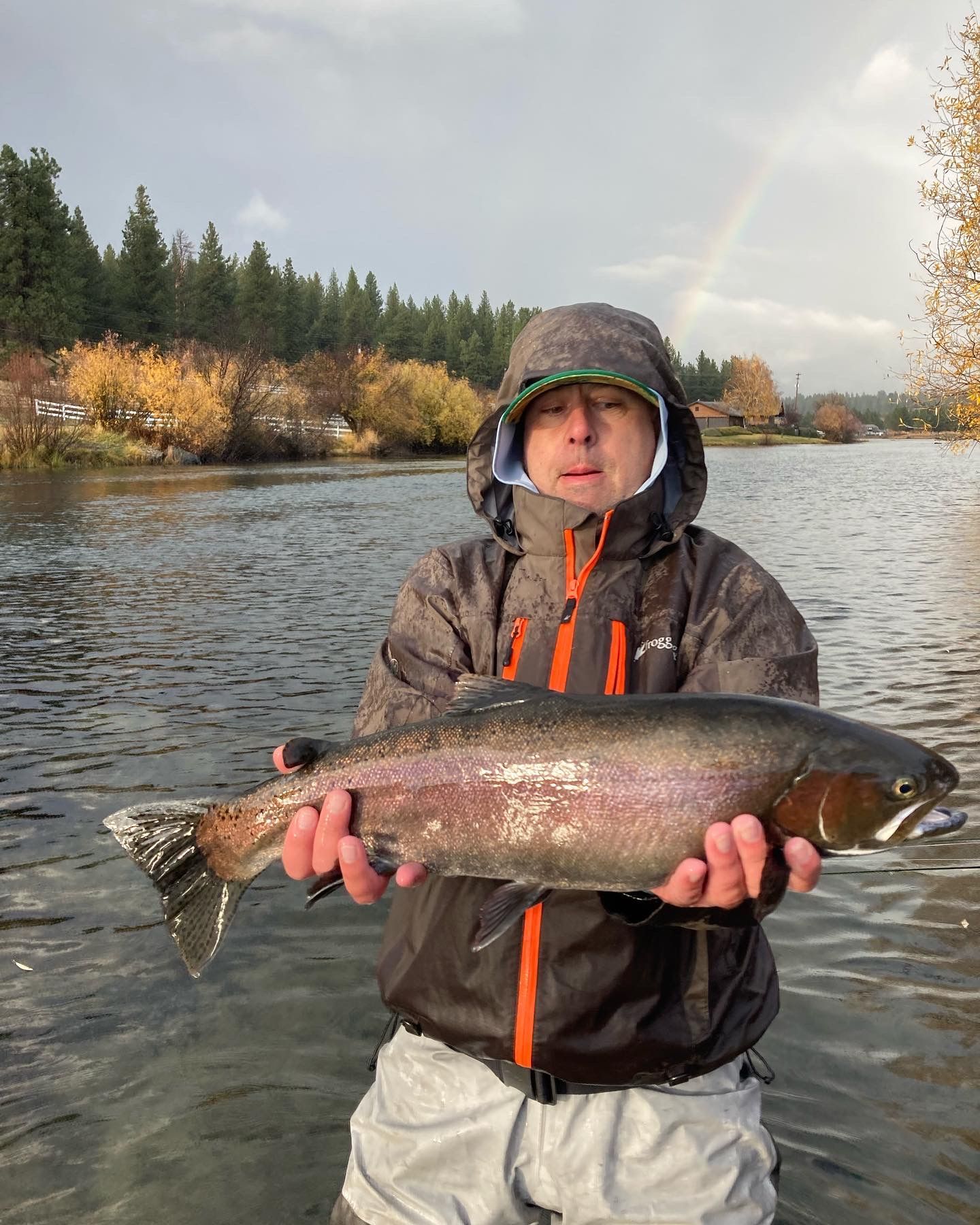
Steelhead fly fishing techniques in Grants Pass, OR focus on swinging flies and nymphing in the Rogue River's powerful current where winter and summer steelhead runs provide opportunities for anglers targeting wild fish with specialized gear and proven presentations. The Rogue River's diverse water types require anglers to adapt tactics based on flow conditions, water temperature, and seasonal run timing to connect with aggressive steelhead.
How Does Swinging Flies Differ from Nymphing for Steelhead?
Swinging flies presents patterns broadside to the current on a tight line, triggering aggressive strikes from steelhead holding in runs and tailouts, while nymphing drifts weighted flies near the bottom to intercept feeding fish.
Swinging relies on current speed and fly movement to provoke reaction strikes from steelhead as the fly swings across their holding lies. Anglers cast quartering downstream and allow the current to sweep the fly across the run while maintaining tension on the line. Steelhead often strike as the fly completes its swing and begins to lift in the current.
Nymphing uses weighted flies and indicators or tight-line techniques to drift patterns through deeper slots and pocket water where steelhead hold near the bottom. This method works well in slower water and during cold conditions when fish are less aggressive. Both techniques require proper line management and the ability to detect subtle takes.
What Specialized Gear Do Steelhead Anglers Need on the Rogue River?
Steelhead fly fishing requires two-handed rods or single-hand rods rated for 7-8 weight lines, floating or sink-tip lines, and strong leaders capable of handling powerful fish in heavy current.
Two-handed spey rods ranging from 12 to 14 feet allow anglers to cover water efficiently and manage long casts in tight quarters without backcasting. Single-hand rods work well for nymphing and swinging in smaller runs where casting space is limited. Floating lines suit shallow water and surface presentations, while sink-tip lines get flies down quickly in deep runs and fast current.
Leaders should test between 10 and 15 pounds to withstand steelhead runs and abrasion from rocks and structure. Flies include intruder patterns, woolly buggers, and egg patterns for swinging, plus stonefly nymphs and egg imitations for nymphing. Guides provide all specialized gear and instruction on proper setup and casting techniques.
Anglers searching for introductory fly fishing experiences in Ashland, OR can build foundational skills before advancing to steelhead techniques.
When Do Winter and Summer Steelhead Runs Peak on the Rogue River?
Winter steelhead runs peak from December through March when fish enter the Rogue River from the ocean, while summer steelhead arrive from May through October and hold in cooler water until spawning.
Winter steelhead provide the most aggressive fishing as fresh fish move upstream and respond to swung flies and nymphs in high water conditions. Cold temperatures and increased flows concentrate fish in predictable holding lies where anglers can target them with consistent presentations. Summer steelhead enter the river during warmer months and seek thermal refuges in spring-fed tributaries and deep pools.
Summer fish remain in the system longer and become more selective as water temperatures rise and fishing pressure increases. Anglers must adjust fly size, presentation speed, and fishing times to match summer steelhead behavior. Guides monitor run timing and water conditions to schedule trips during peak activity periods for both runs.
What Proper Fish Handling Techniques Protect Wild Steelhead?
Proper fish handling includes landing steelhead quickly, keeping them in the water during hook removal, and minimizing handling time to reduce stress and improve survival after release.
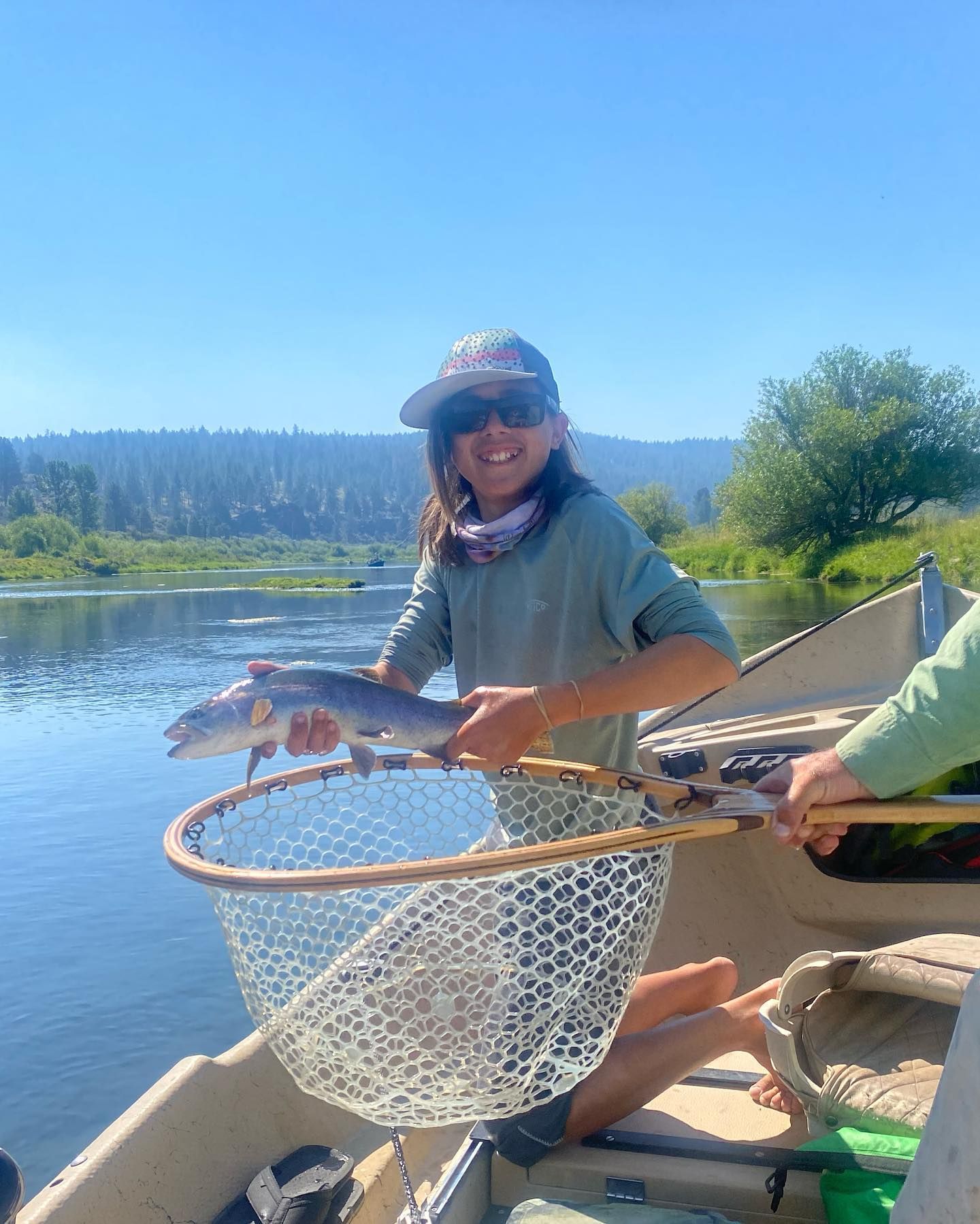
Steelhead are powerful fish that require strong tackle and efficient landing techniques to prevent exhaustion. Anglers should avoid playing fish to complete exhaustion and use nets or hand-landing methods that support the fish's weight without removing it from the water. Barbless hooks simplify hook removal and reduce injury to fish.
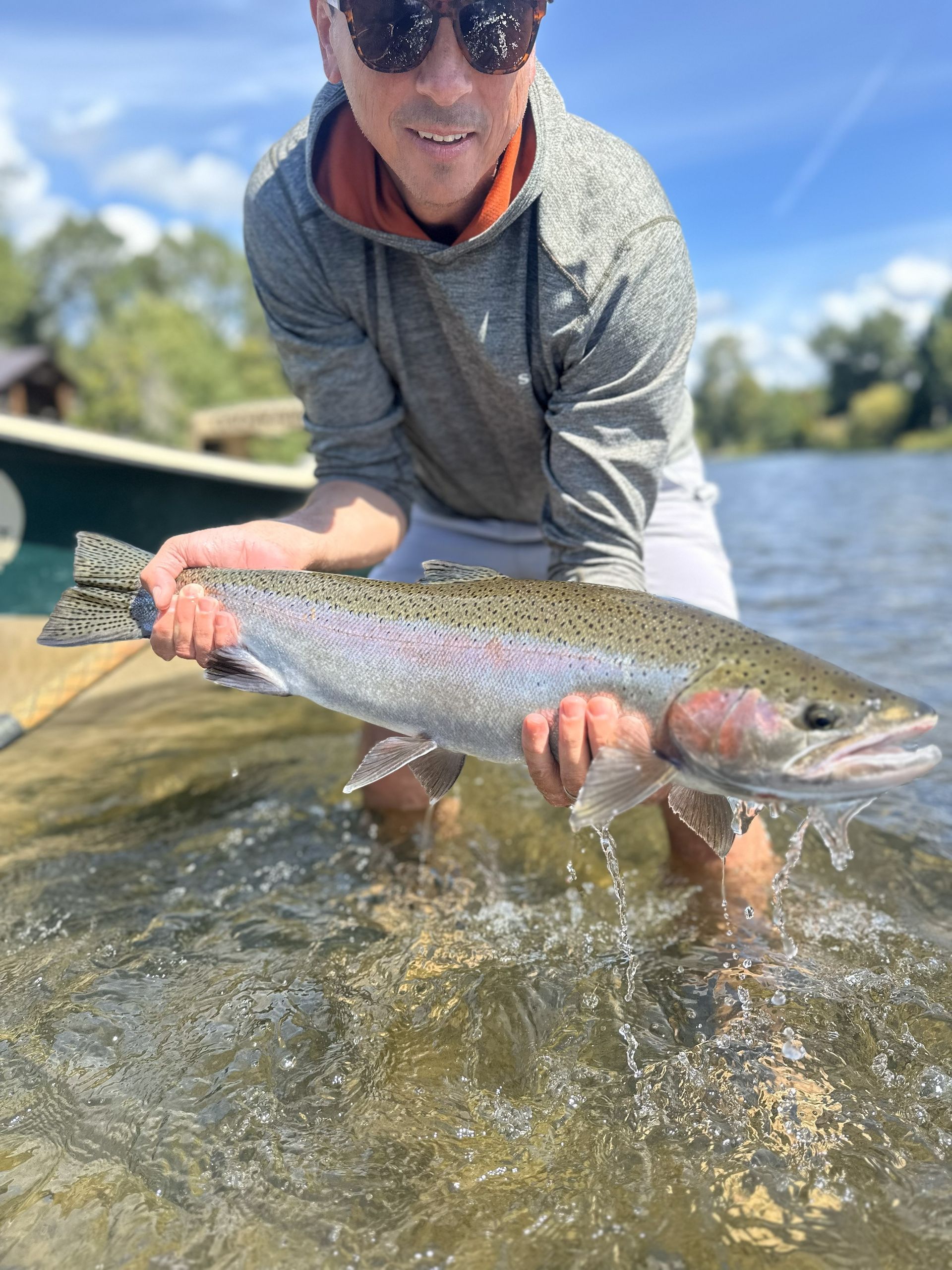
Keeping steelhead submerged during hook removal and photography maintains oxygen flow through the gills and prevents damage to protective slime coats. Anglers should revive tired fish by holding them upright in current until they swim away strongly. Guides provide instruction on proper handling techniques to ensure all released steelhead survive and contribute to future runs.
Anglers planning extended fishing trips in Grants Pass, OR can target steelhead and trout in a single day by covering multiple river sections.
How Do Rogue River Flow Conditions Affect Steelhead Fishing Success?
Flow conditions on the Rogue River near Grants Pass determine steelhead location, feeding behavior, and fly presentation strategies throughout the season as water levels fluctuate with rainfall and dam releases.
High flows push steelhead into slower water along banks and behind structure where they conserve energy and avoid strong current. Anglers must adjust casting angles and fly weight to reach fish holding in protected lies. Moderate flows create ideal conditions for swinging flies through classic runs and tailouts where steelhead hold in predictable lanes.
Low flows concentrate fish in deeper pools and force anglers to use stealthier approaches and smaller flies to avoid spoking wary steelhead in clear water. Guides monitor real-time flow data and adjust trip plans to target productive water based on current conditions and recent weather patterns.
Tone Trout Guiding offers steelhead fly fishing trips in Grants Pass, OR with specialized gear, swinging and nymphing instruction, and proper fish handling techniques on the Rogue River. Experience seasonal steelhead runs by connecting with Tone Trout Guiding for guided trips during winter and summer peak periods.