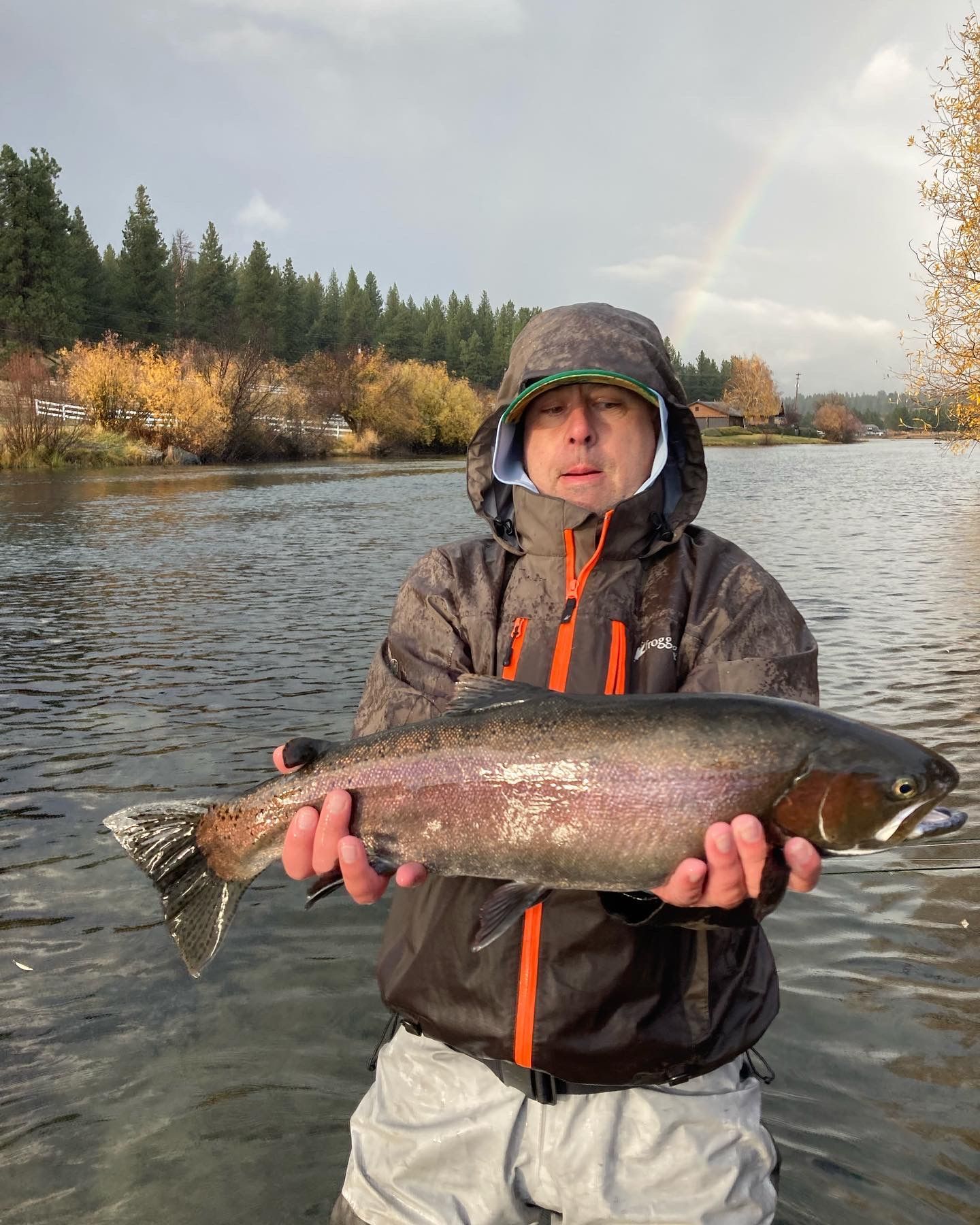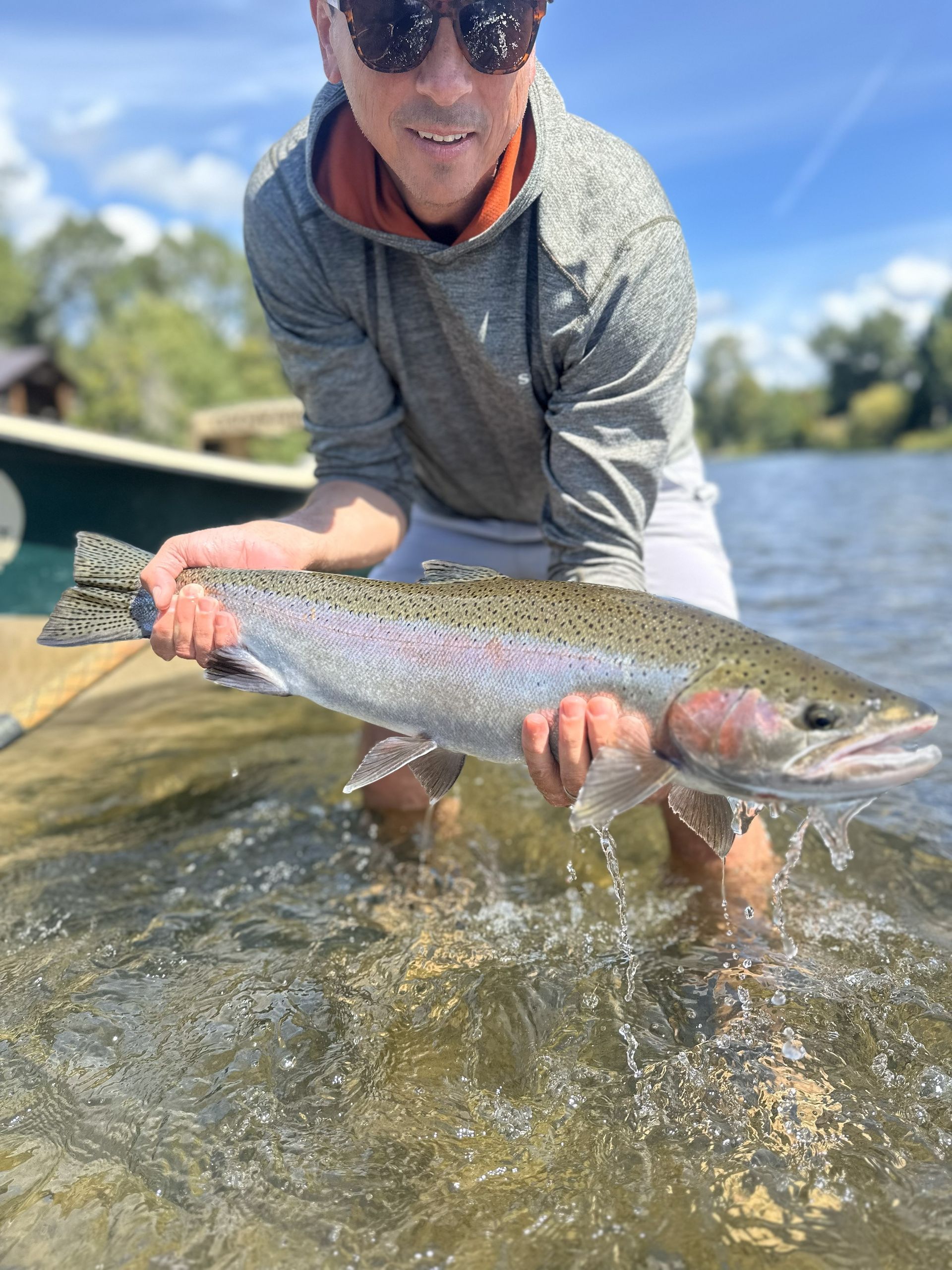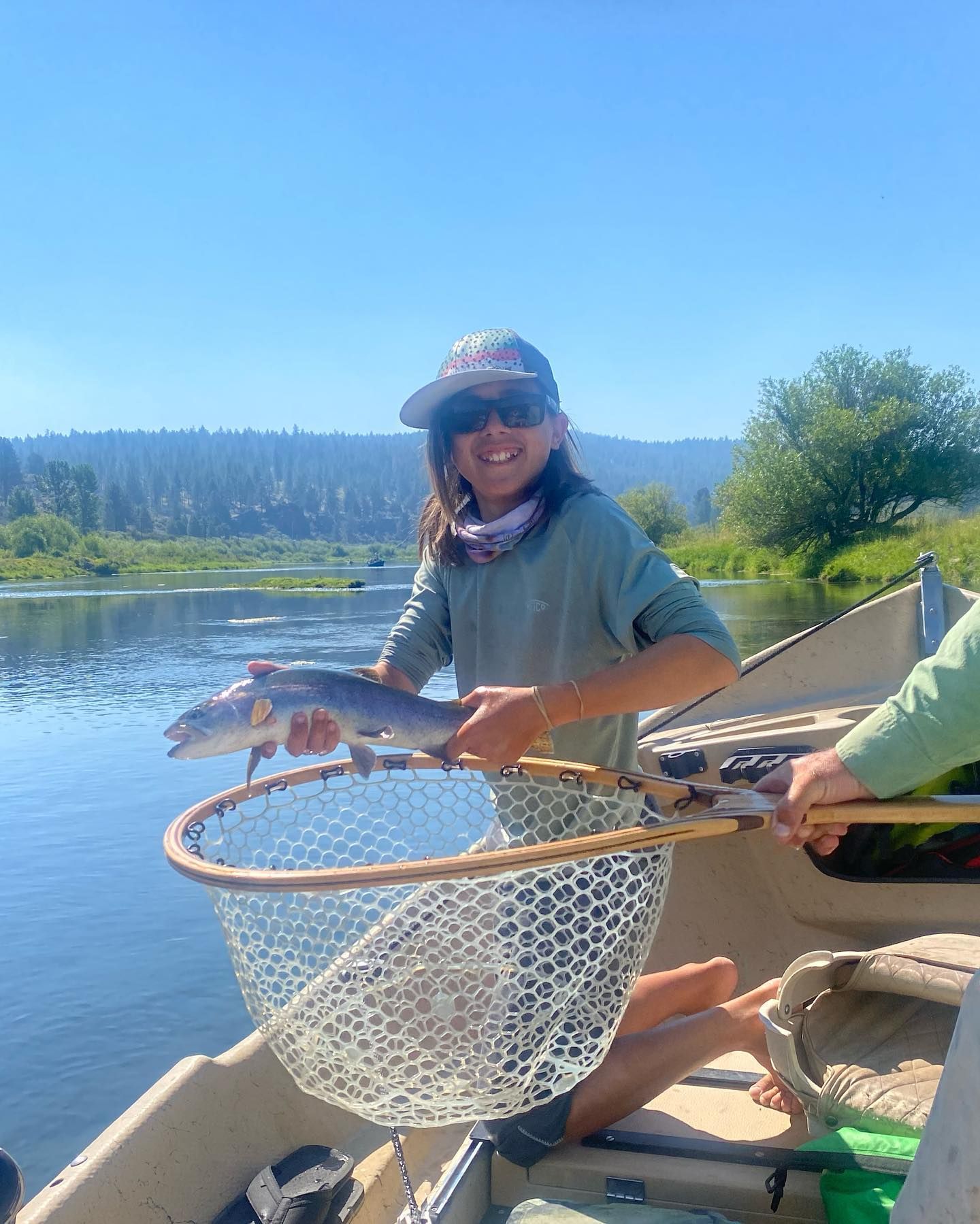
Generic Trout Tactics Fail Klamath Redband Rainbows — This Is What the Fishery Near Shady Cove Actually Requires
Spring-Fed Clarity Exposes Every Mistake a Standard Rig Makes
Anglers who approach the Williamson River, Wood River, or Klamath Lake tributaries near Shady Cove with the same gear and methods they use on turbid tailwaters typically spook more fish than they land. Klamath redband rainbows inhabit water so clear that light refraction from a poorly placed cast is visible to a fish 12 feet away. These aren't more difficult fish — they're fish whose environment eliminates the margin for error that other systems provide. Tone Trout Guiding structures every redband trip around that baseline: the gear is lighter, the leaders are longer, and the approach angles are planned before a single cast is made.
Klamath redbands are a genetically distinct subspecies that developed in the high-desert spring-fed drainages of southern Oregon — the same cold, consistent water temperatures that keep the Williamson River productive year-round are also the conditions that make these fish unusually aware of unnatural movement and presentation. On a guided trip near Shady Cove, you'll leave with an understanding of why indicator depth matters more in spring-fed clarity than in any other system you've fished, and what a proper drag-free drift looks like when there's no turbulence to disguise minor errors.
The Three Methods That Produce Klamath Redbands Across Different Seasonal Conditions
Klamath redband rainbows near Shady Cove don't feed in one dimension. Indicator nymphing covers the subsurface zone where fish hold during midday, when surface temperatures rise and insects drop below the film — this method requires precise weight distribution to keep the fly at the exact depth where fish are suspended without bouncing along the bottom. Dry fly fishing produces the most visually rewarding takes during morning and evening emergences on the Williamson and Wood Rivers, particularly during midge and caddis activity in late spring and early fall. Streamer fishing targets the largest fish in the system, the redbands that have shifted to ambushing forage near undercut banks and submerged structure rather than feeding in open current.
Instruction on guided trips near Shady Cove covers the transition between these methods — recognizing when a flat in front of you has fish actively rising versus fish suspended in the water column versus fish holding tight near the bottom. This is a reading skill, not a guessing skill, and it's what separates anglers who adapt from those who commit to a single method and miss two-thirds of the available fish. Conservation-focused handling is addressed on every trip: redbands are native to the Klamath Basin, and practices that minimize air exposure and handling time protect a population with limited range and no hatchery backup.
If standard trout approaches haven't worked for you on Klamath Basin water, contact us today to schedule a guided Klamath redband rainbow trout trip near Shady Cove with methods calibrated to what this fishery actually demands.
What to Look for When Evaluating Guided Klamath Redband Trips Near Shady Cove
Not every guided fly fishing service near Shady Cove has direct experience with spring-fed redband water, and the difference between a guide who knows the Williamson River system and one who treats it like any other trout fishery shows up immediately in approach, gear selection, and how fish respond. Here's how to evaluate whether a guided trip is actually suited to this fishery:
- Whether the fly selection includes patterns tied specifically for Klamath Basin midge and caddis emergences, not generalist attractor patterns that work on high-turbidity water but fail in the clarity near Shady Cove
- Whether leader construction is adjusted for spring-fed visibility — typical 9-foot 4X setups are too visible in the Williamson's flat, clear runs, where 12-foot 6X leaders are often the minimum for dry fly presentations
- Whether conservation handling is demonstrated before any fish is brought to hand, not explained after a redband has been exhausted in warm summer air
- Whether indicator nymphing depth is adjusted incrementally through each run based on observed fish position, rather than set once at the put-in and left unchanged for the entire float
- Whether the guide distinguishes between fishing the Williamson River versus the Wood River versus Klamath Lake tributaries near Shady Cove — each system has different flow character, insect populations, and fish behavior that require distinct approaches
These distinctions matter on a fishery this specific. Every guided redband trip includes gear matched to spring-fed clarity, method instruction across all three techniques, and handling practices that protect native fish. Contact us today to book your Klamath redband rainbow trout trip near Shady Cove and fish this system the way it rewards.