Most Anglers Misread Steelhead Holding Water — Here's What Actually Works Near Klamath Falls
The Difference Between Travel Lies and Resting Lies Changes Every Cast You Make
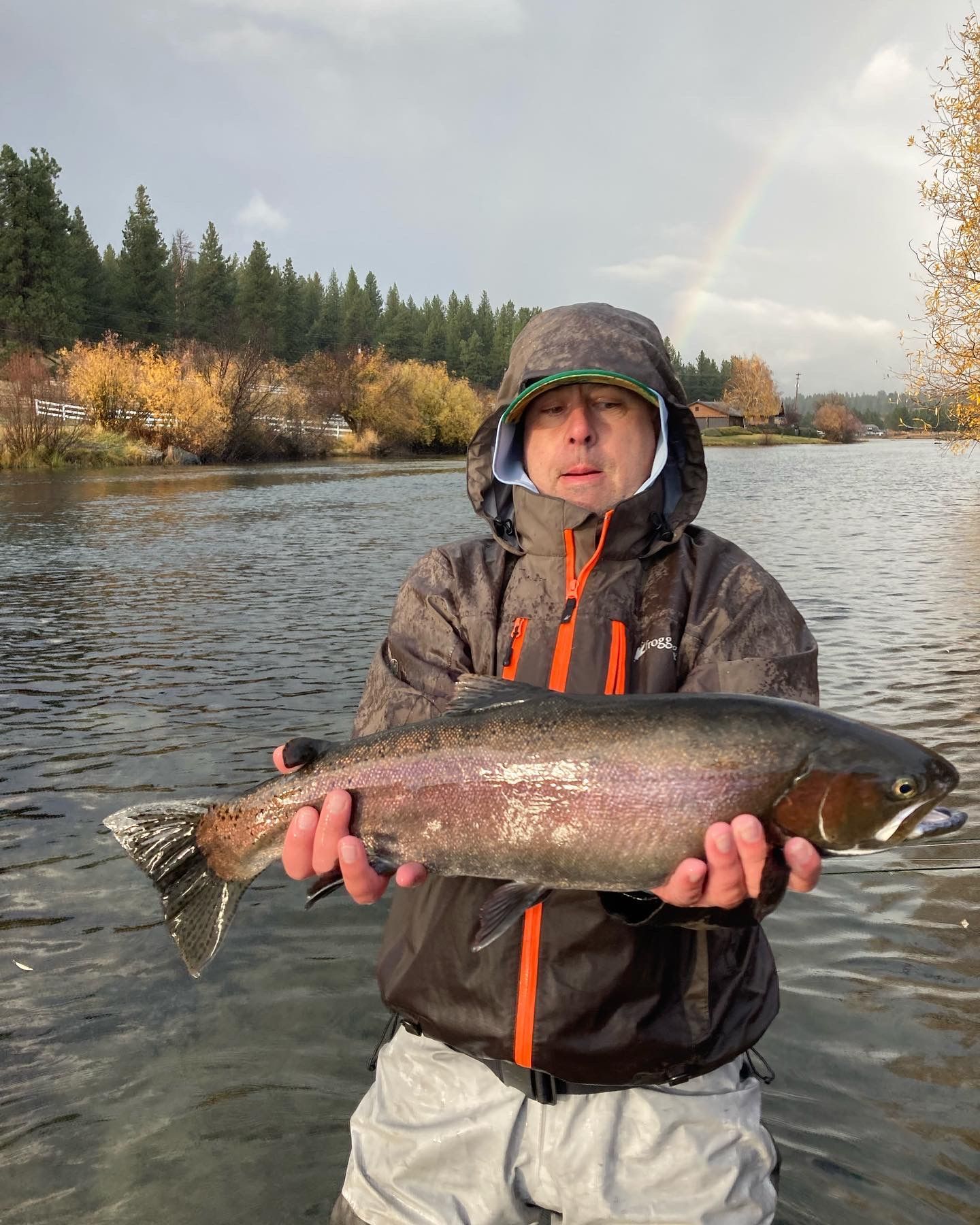
The most common mistake anglers make when targeting steelhead near Klamath Falls is treating the entire river as holding water. It isn't. Steelhead in the Rogue River system use the majority of the current to travel and a small fraction of it to rest — and only fish holding in resting lies will consistently respond to a swung fly or a properly drifted nymph. Fishing travel lanes produces the occasional accidental hookup but none of the pattern recognition that leads to repeatable success. Guided trips with Tone Trout Guiding start with this distinction, because it determines every cast, every approach angle, and every fly choice that follows.
Steelhead enter the Rogue during fall and winter run windows when water temperatures drop and river flows stabilize following summer low-water periods common to this stretch of southern Oregon. During active push days, fish move fast and cover ground; during post-push consolidation, they settle into specific current breaks — the downstream edge of boulders, the transition zone between fast and slow water, the inside seam of a bend where depth drops off quickly. These are learnable patterns, but recognizing them in unfamiliar water takes guided repetition across multiple run types.
Swinging Versus Nymphing: Choosing the Right Method for What the River Is Telling You
The choice between swinging flies and nymphing for steelhead near Klamath Falls isn't a matter of preference — it's a diagnostic decision based on water temperature, fish aggression, and current speed. In water above 45°F with moderate flow, swinging a fly through a tailout or glide puts the presentation at the exact depth and speed where aggressive fish will commit. Below that temperature threshold, steelhead drop into deeper lies and become reluctant movers — nymphing with a long leader and proper weight placement becomes the more productive method, because the fly reaches the fish's level rather than pulling them up through the column.
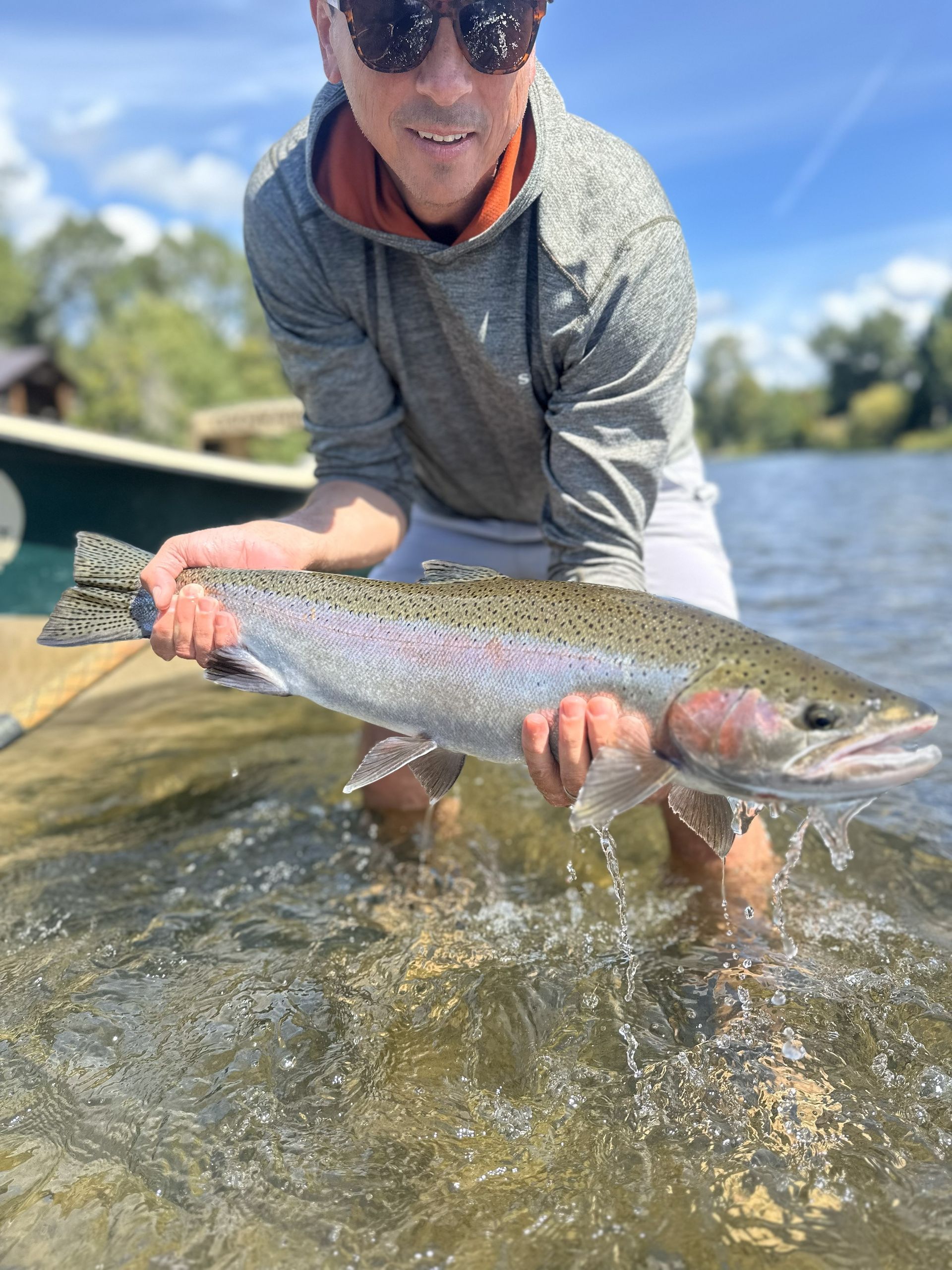
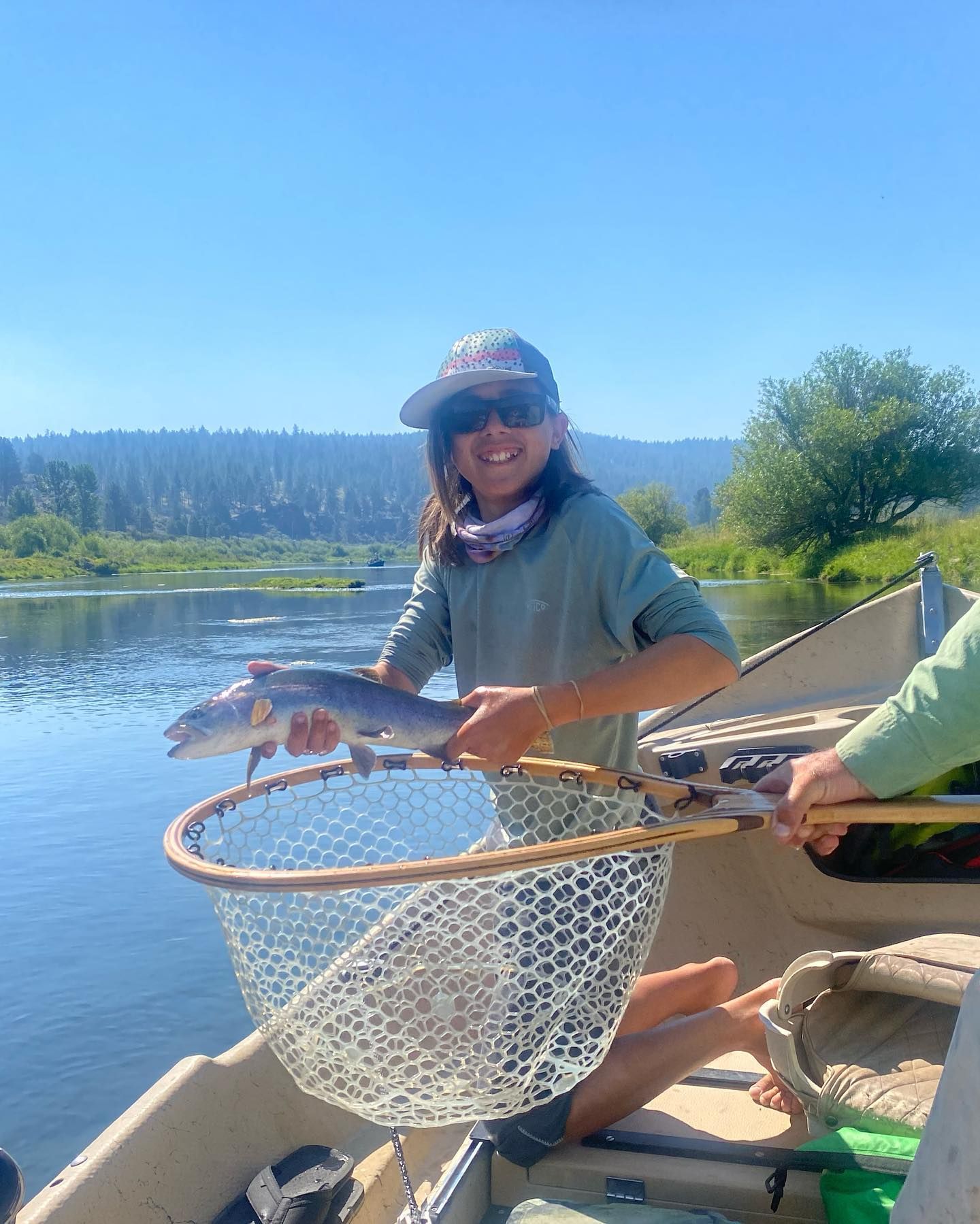
Instruction on guided steelhead trips covers both methods with equal depth, because the Rogue River near Klamath Falls presents both scenarios regularly across a single season. You'll learn how to read surface turbulence to gauge depth below, how to adjust swing speed by mending into or away from current, and how to recognize the difference between a strike, a bottom tap, and a refusal when nymphing blind. Fish that are hooked and released in good condition continue their migration — proper handling technique is covered on every trip, because wild steelhead in this system are worth protecting.
Stop fishing water that looks good and start fishing water that holds fish — contact us today to schedule steelhead fly fishing near Klamath Falls and approach the Rogue with methods that produce consistent results.
How to Evaluate Whether a Steelhead Guide Actually Knows This Water
Not all steelhead guidance near Klamath Falls reflects current run conditions, and the difference between a productive trip and a long day of covering empty water often comes down to the decisions made before the first cast. Here's what to look for when assessing the quality of a guided steelhead charter:
- Whether run selection is based on current flow and temperature data, not a fixed rotation of accessible spots regardless of conditions
- Whether the guide can explain why a specific lie holds fish at this stage of the Rogue River migration versus two weeks earlier or later
- Whether fly selection accounts for water clarity changes caused by tributary input — a factor that affects both visibility and aggression levels in Klamath Basin steelhead
- Whether instruction includes nymphing depth adjustment as water temperature drops through the day, not a single indicator setting used across all water types near Klamath Falls
- Whether proper fish handling and quick-release practices are explained before any fish is landed, rather than improvised in the moment
These are the details that separate a guided trip worth repeating from one that simply puts you on the river. Each steelhead charter is structured around current run timing, verified holding water, and methods calibrated to what the Rogue is doing that week. Contact us today to book steelhead fly fishing near Klamath Falls and fish with a guide who reads the river, not a schedule.