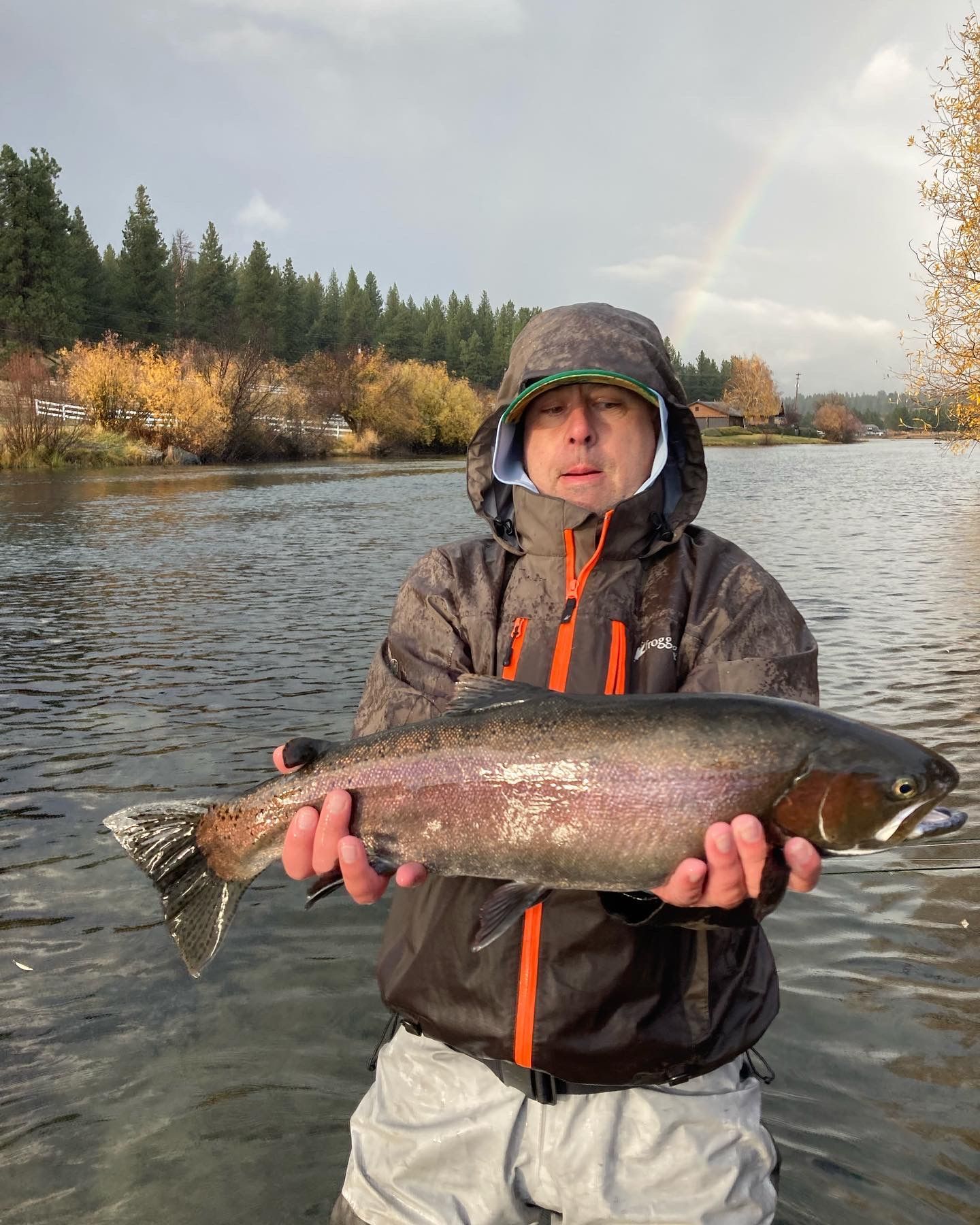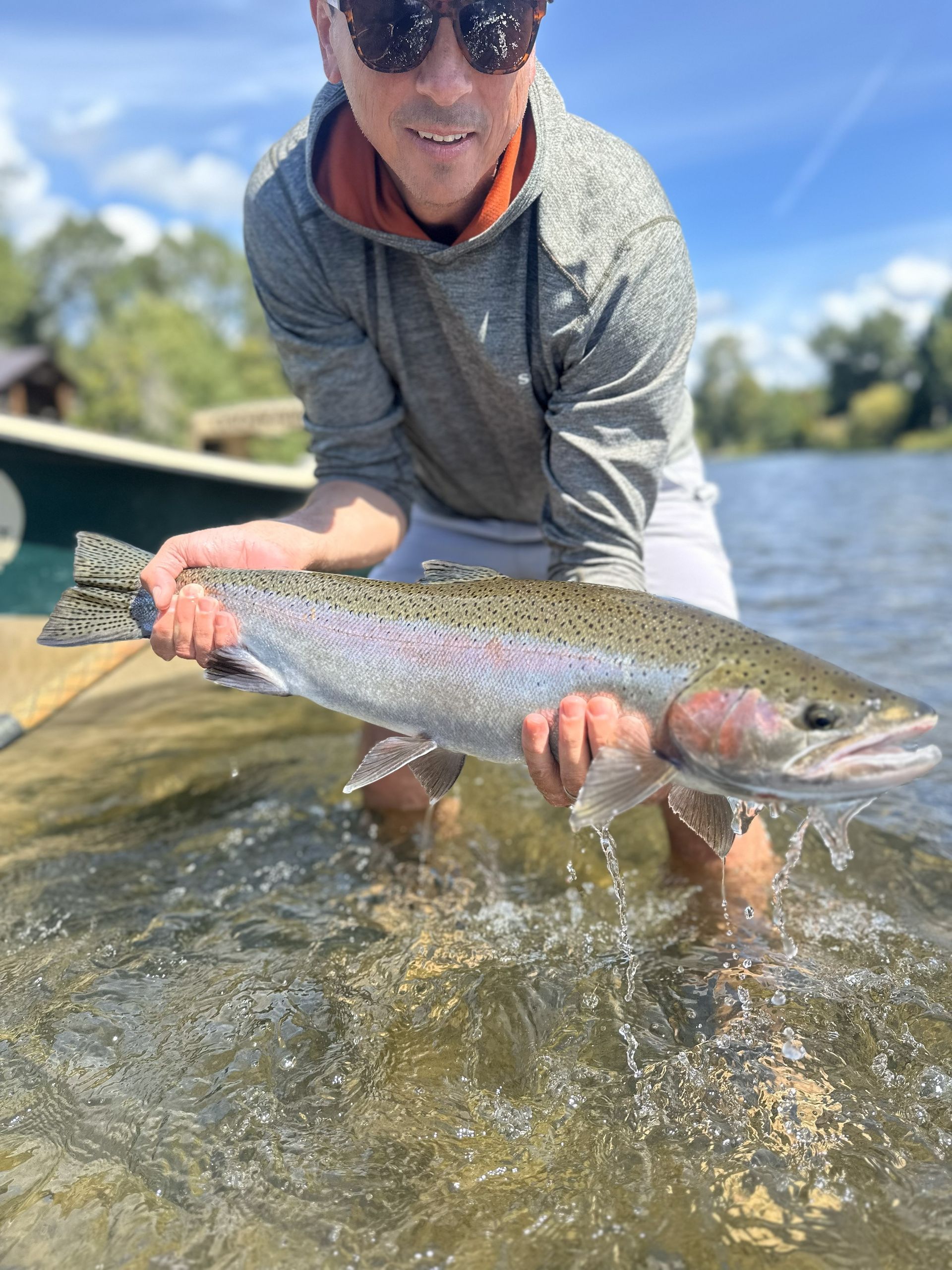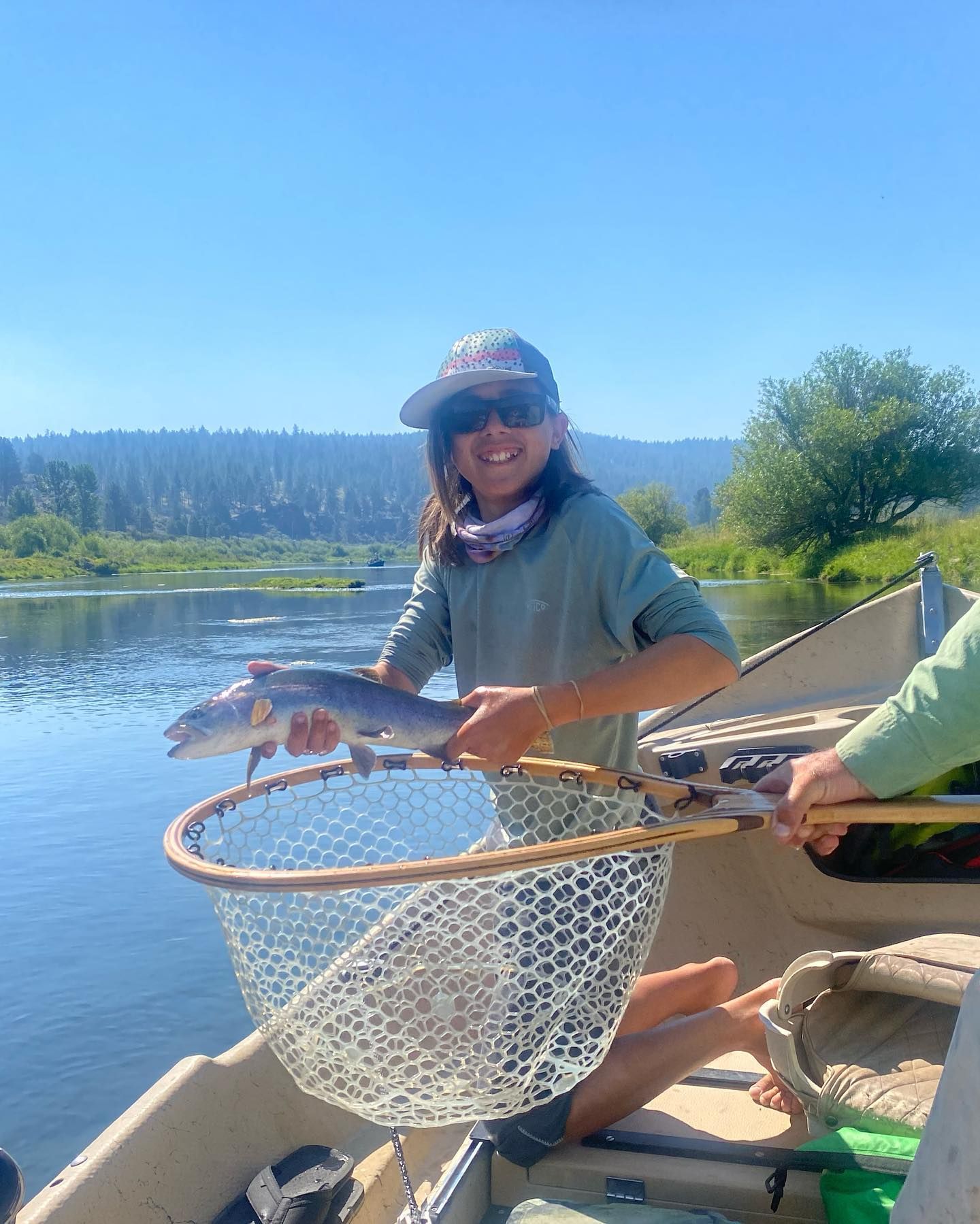
Sight Fishing for Cutthroat in Technical Water
Guided cutthroat trout fly fishing trips on the Rogue River with Tone Trout Guiding in Ashland, Oregon.
You want to target cutthroat trout on the Rogue River, and that often means fishing technical water with precise presentations and spotting fish before you cast. Cutthroat trout in the Rogue River hold in clear, oxygenated runs and often feed opportunistically on drifting insects, making them ideal targets for dry fly and light nymph techniques. Anglers fishing for cutthroat near Ashland spend time stalking fish in shallow water, adjusting their approach to avoid spooking trout that feed in visible lanes, and presenting flies with accuracy and delicacy. Your guide knows which sections of the Rogue River hold resident cutthroat and tailors the trip to your skill level and preferred techniques.
Tone Trout Guiding provides full gear setup including rods, reels, leaders, and flies matched to the water you will fish. Your guide coaches you on spotting cutthroat before casting, controlling your line to achieve drag-free drifts, and adjusting your approach when fish refuse your initial presentation. Cutthroat trout are often less selective than other species but require careful wading and casting to avoid alerting them to your presence. Trips are offered as half-day or full-day charters depending on how much time you want to spend working through productive sections of the Rogue River in Ashland.
Book a cutthroat trout trip in Ashland and fish clear water where you can watch trout rise and react to your fly in real time.
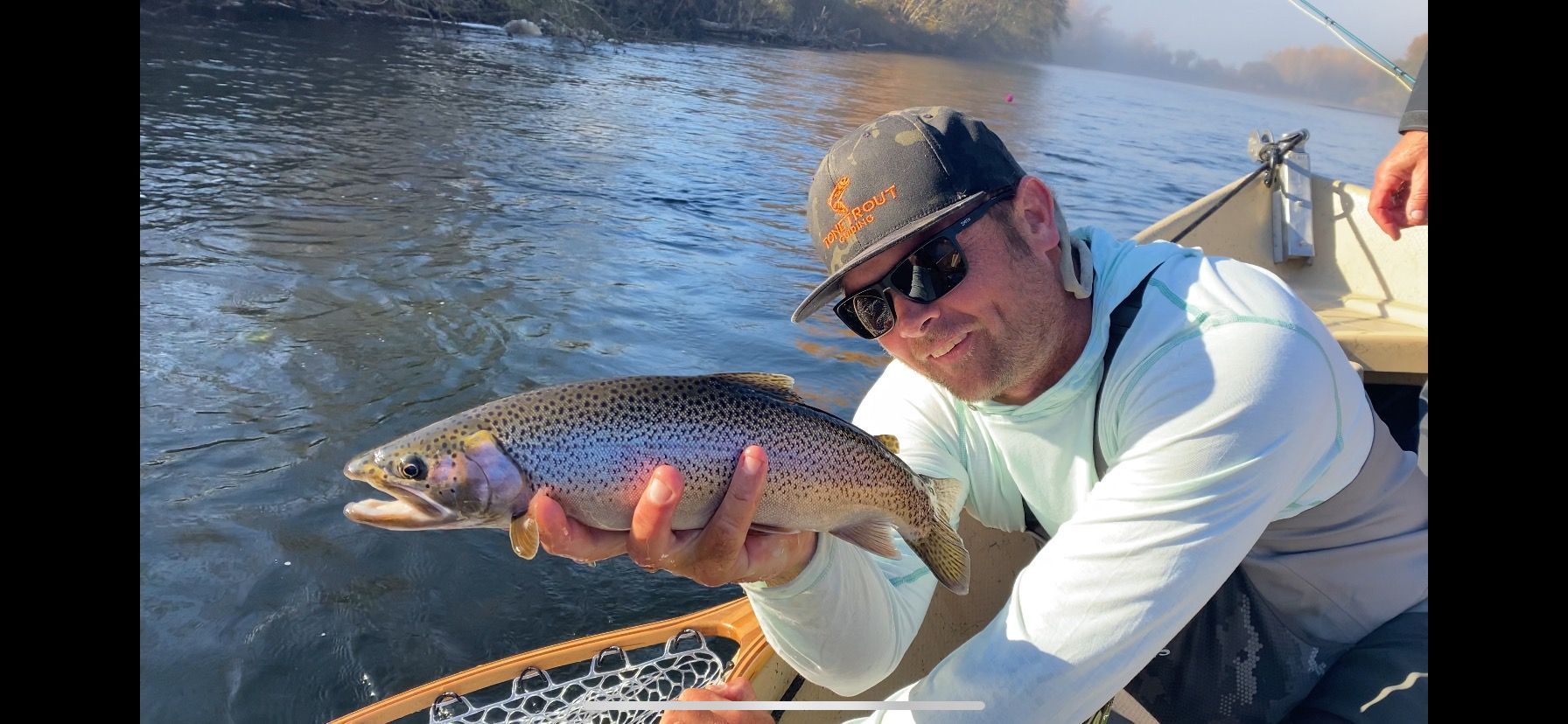
Stalking Fish in Clear, Shallow Runs
Your guide meets you at the river in Ashland and walks you to sections where cutthroat trout are actively feeding. You spend time learning how to spot fish holding near the surface or along the bottom, how to approach without casting shadows or creating vibrations that alert trout to your presence, and how to deliver flies softly so they land without disturbing the water. Cutthroat often feed in visible lanes where current funnels food toward them, and your guide shows you how to present your fly so it drifts naturally into those zones without dragging or sinking unnaturally.
After hooking several fish, you start noticing small details that improve your success rate. Your wading becomes quieter, your casts land softer, and you recognize when a trout is preparing to take before it actually moves toward your fly.
Your guide adjusts fly selection based on what the cutthroat are feeding on, switching between dry flies during surface activity and lightly weighted nymphs when fish are holding deeper. Cutthroat trips emphasize sight fishing and technical presentations, making them ideal for anglers who enjoy watching fish react to their casts. Gear and coaching are included, but you should bring wading boots suited for moving through clear, rocky sections of the Rogue River near Ashland.
Trip Packages
What sets Tone Trout Guiding apart is the teaching-first approach. Tonie believes fly fishing is most rewarding when you understand the “why” behind each cast, drift, and presentation. That’s why he tailors instruction to your needs:
Half Day Charter ($400)
A Half Day trip strikes the right balance between instruction and opportunity. Over the course of four to five hours, you’ll rotate through productive runs, experiment with multiple techniques, and learn how to adapt to changes in light, current, and insect activity. Half Day charters are ideal for newcomers who want a solid introduction, or anyone seeking quality fishing within a tighter schedule. Snacks and beverages are included, and all essential tackle is provided.
Full Day Charter ($600)
Our Full Day charter is the most complete guided experience. With eight hours or more on the water, we can cover multiple sections of river, shift tactics as conditions change, and slow down enough to really dive into instruction. Full Day trips often begin with early-morning dry fly fishing, transition to nymphing during midday, and wrap up with evening swings for steelhead or trout. A riverside lunch is included, giving you a chance to relax and recharge before heading back out.
What You Should Know Beforehand
Anglers booking cutthroat trips often ask about the difficulty of sight fishing, what time of year is best, and whether these trips require prior fly fishing skills. These answers help clarify what fishing for cutthroat on the Rogue River involves.
What makes cutthroat trout fishing different from other species?
Cutthroat trout often hold in clear, shallow water where you can see them before casting. This allows for sight fishing and precise presentations, but it also means you need to approach carefully to avoid spooking fish.
What flies work best for cutthroat trout?
Dry flies such as mayfly and caddis imitations work well during surface activity, while lightly weighted nymphs are effective when cutthroat are feeding below the surface. Your guide selects flies based on current insect activity and feeding behavior.
When is the best time to fish for cutthroat on the Rogue River?
Cutthroat trout fishing is productive throughout the year, with peak activity during spring and fall when insect hatches are frequent. Your guide will recommend timing based on water conditions and recent feeding patterns near Ashland.
How hard is sight fishing for cutthroat trout?
Sight fishing requires patience and careful wading, but your guide coaches you through spotting fish, approaching without alerting them, and delivering accurate casts. Even beginners can succeed with guided instruction and practice.
What should I bring for a cutthroat trout trip?
Bring polarized sunglasses to help spot fish, a hat, sunscreen, and wading boots if you own them. Tone Trout Guiding provides all rods, reels, and flies needed for the trip.
Cutthroat trout trips on the Rogue River combine sight fishing, technical presentations, and clear water that lets you watch fish react to your fly. Tone Trout Guiding provides the gear, coaching, and local knowledge needed to fish these sections effectively near Ashland.