Frequently Asked Questions
What's the difference between half-day and full-day fly fishing charters?
Half-day charters focus on specific productive water sections and are ideal for beginners or travelers with limited time. Full-day charters allow access to multiple runs, varied water types, and deeper instruction throughout the day. At Tone Trout Guiding, full-day trips also provide flexibility to adjust tactics as conditions change.When is the best time to fly fish for steelhead on the Rogue River?
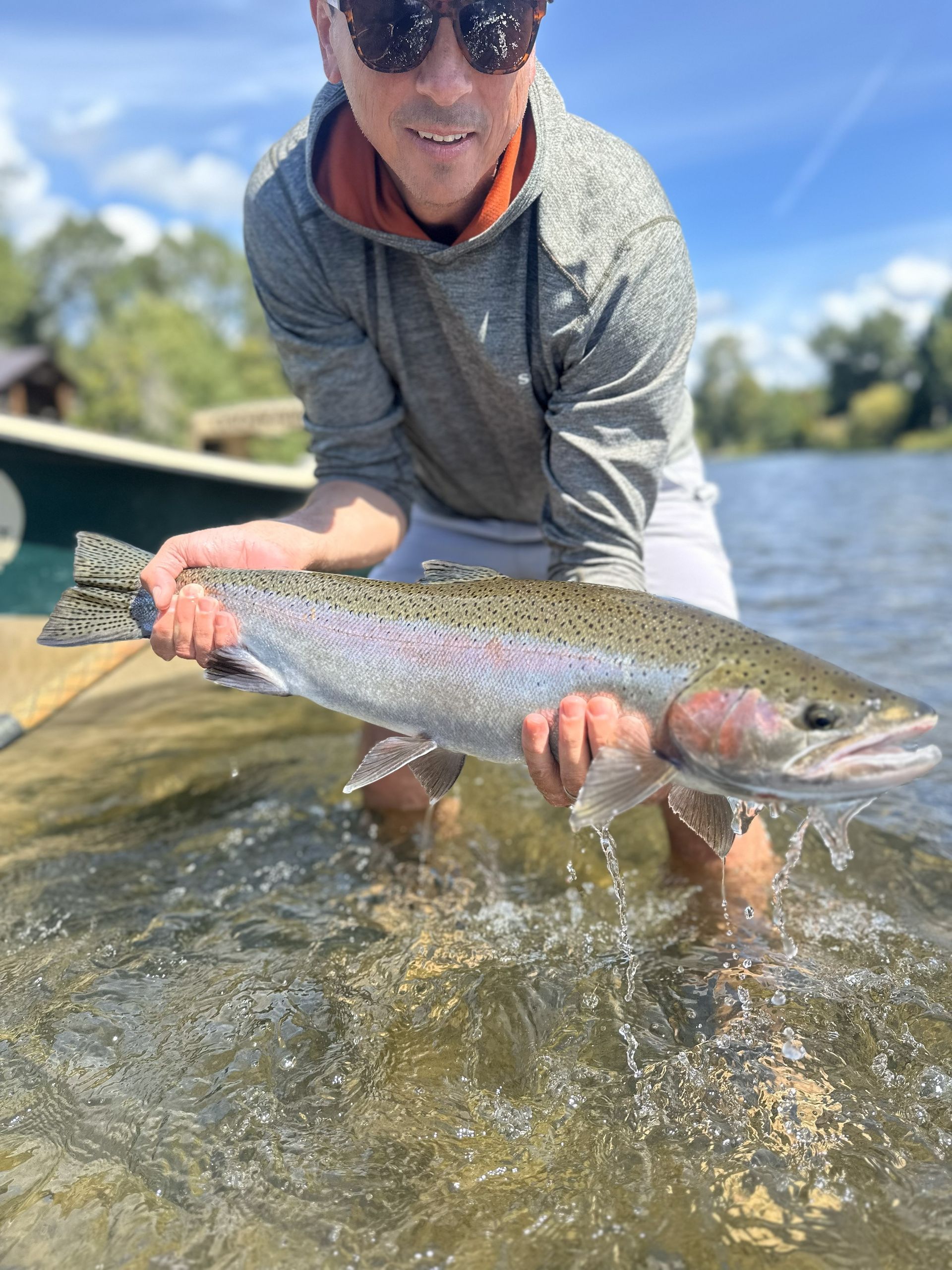
Steelhead fishing on the Rogue River is best during seasonal runs, typically fall through spring. Tone Trout Guiding focuses on proven swinging and nymphing techniques matched to water conditions and fish movement. Reading holding water correctly is key to successful steelhead trips in Southern Oregon.What techniques work best for Klamath redband rainbow trout?
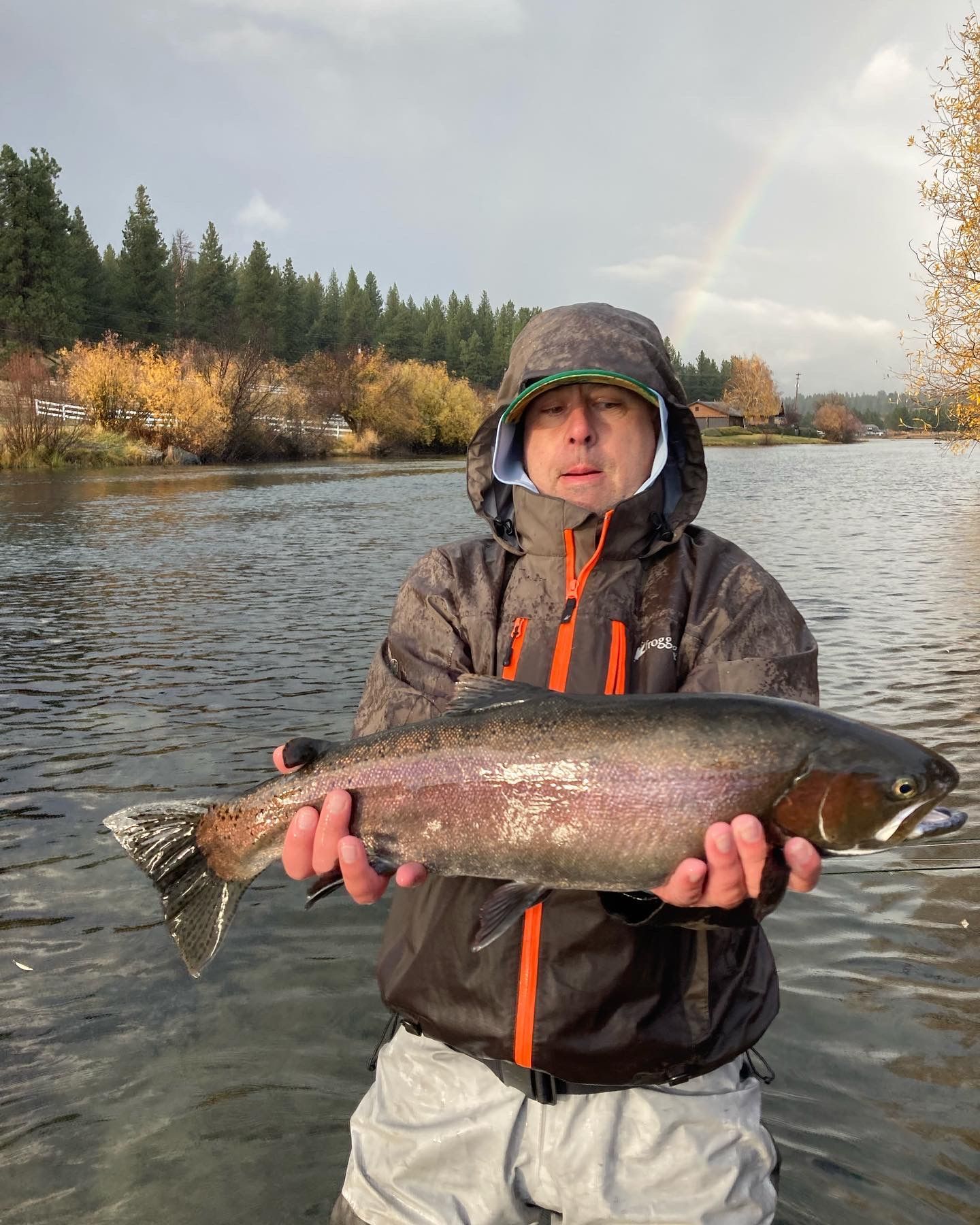
Klamath redband rainbow trout respond well to indicator nymphing, dry flies, and streamer techniques in clear spring-fed systems. These powerful fish are found on the Williamson River, Wood River, and Klamath Lake. At Tone Trout Guiding, we use specialized gear and flies suited for these native redband fisheries.Do I need to bring my own fly fishing gear?
No, all fly fishing charters include rods, reels, flies, and terminal tackle matched to the water and target species. Tone Trout Guiding provides gear specifically suited for steelhead, trout, or redband conditions. You'll also receive on-the-water coaching and technique instruction throughout the trip.What makes the Williamson River good for fly fishing?
The Williamson River is a spring-fed system with consistent flows and strong populations of Klamath redband rainbow trout and brown trout. Its clear water requires technical nymphing and precise presentations. At Tone Trout Guiding, we emphasize conservation-minded practices and use specialized gear for large, powerful trout.How do you target brown trout on Southern Oregon rivers?
Brown trout prefer structure, undercut banks, and deep runs, and respond well to streamers and technical nymph rigs. The Williamson and Wood Rivers offer ideal habitat for larger, more selective brown trout. Tone Trout Guiding tailors tactics to match conditions and fish behavior on each trip.Can beginners learn fly fishing on a guided charter?
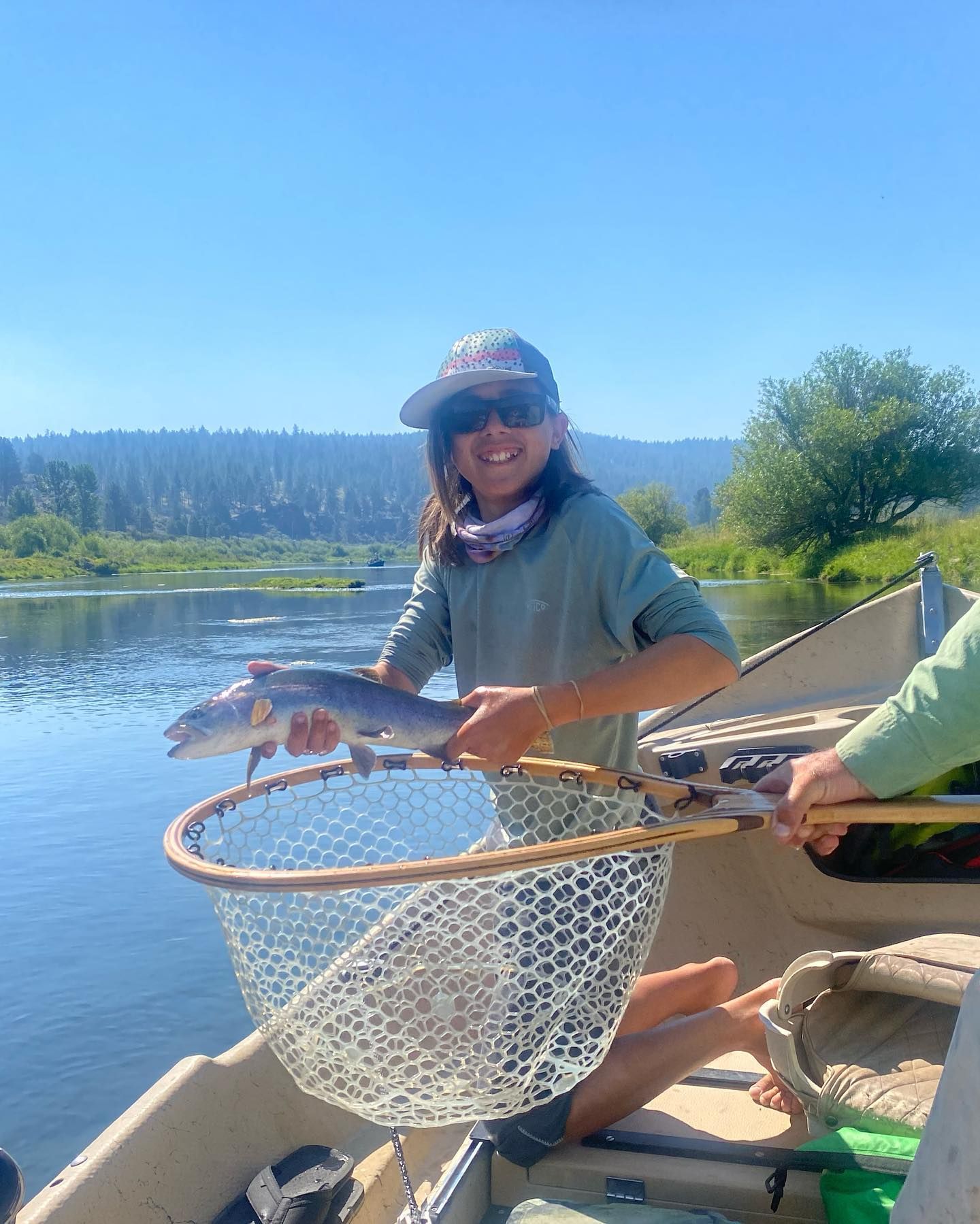
Yes, half-day and full-day charters are designed to accommodate first-time anglers with hands-on coaching. Tone Trout Guiding focuses on foundational skills like reading water, presentation, and drift control. All gear and flies are provided, making it easy for beginners to get started.What affects fly fishing conditions on the Rogue River?
Water levels, clarity, and seasonal fish movement all influence fly fishing success on the Rogue River. Techniques such as swinging flies or dry-dropper rigs are adjusted based on current conditions. At Tone Trout Guiding, we target prime sections and adapt tactics throughout the day.Why is proper fish handling important during guided trips?
Proper fish handling minimizes stress and injury, ensuring the long-term health of wild fish populations. Tone Trout Guiding emphasizes conservation and respectful practices on every charter. This includes techniques for safe catch-and-release and preserving Southern Oregon's quality fisheries.What is a spring creek fishery like the Wood River?
Spring creek fisheries like the Wood River feature clear, cold water fed by underground springs, creating stable conditions year-round. These waters require accurate casting, stealth, and careful approach for targeting redband rainbow trout and brown trout. Tone Trout Guiding provides all equipment and emphasizes technical fly fishing skills.How does water clarity impact fly selection and technique?
Clear water requires more natural fly patterns and subtle presentations, while off-color water allows for larger, more visible flies. At Tone Trout Guiding, we adjust fly choice and technique based on current river clarity and fish behavior. This adaptability is key to consistent success in Southern Oregon waters.What makes Klamath redband rainbow trout unique?
They are native to the region and known as some of the most powerful trout available. Because they live in exceptionally clear water, they offer excellent opportunities for sight-fishing, though this clarity requires precise presentation. Once hooked, they are aggressive fighters that make long, powerful runs.