Hunt Ringnecks in Working Cover
Guided pheasant hunts across Eastern Oregon public land with field dressing included.
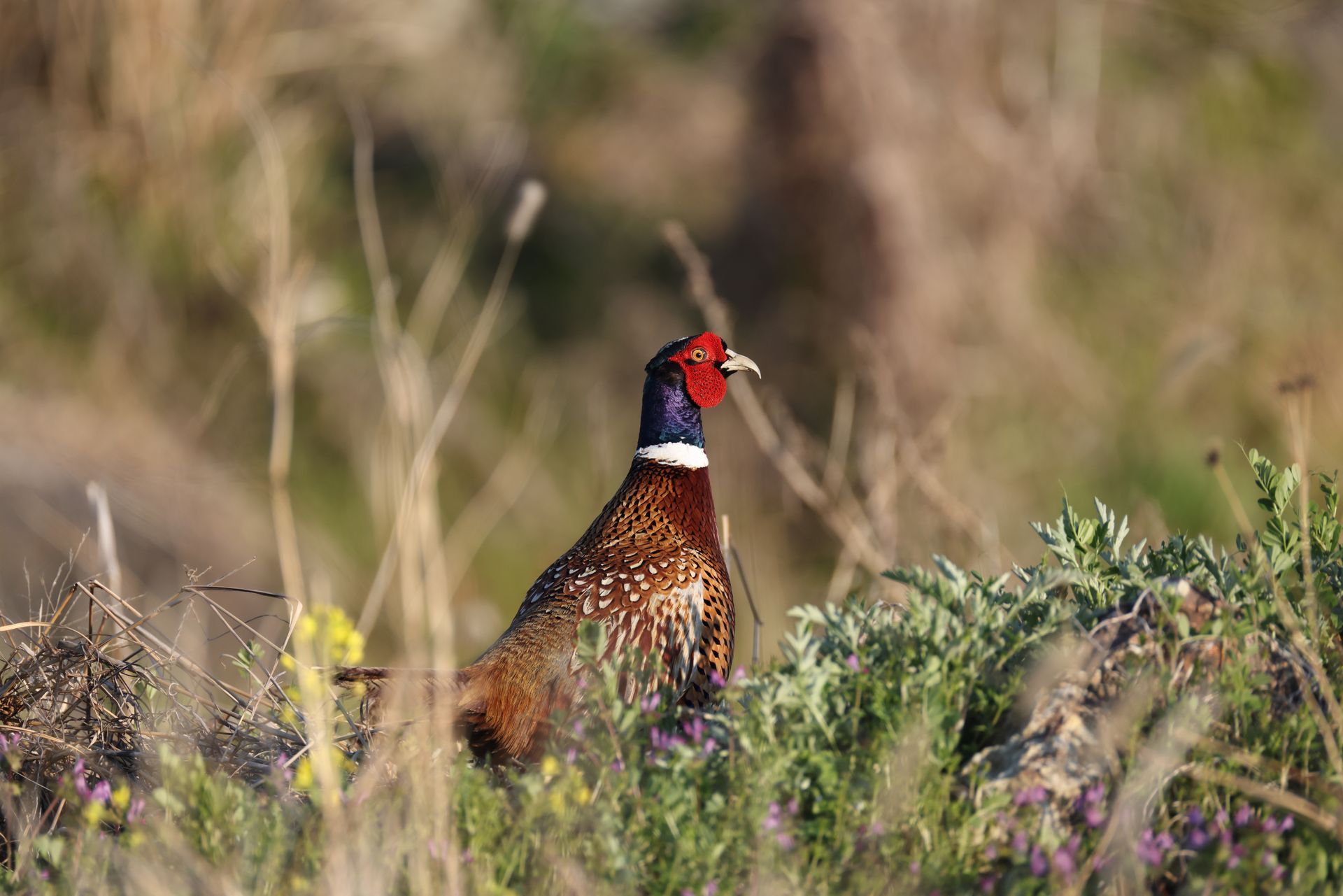
Pheasant in Eastern Oregon use cover near feeding areas, and they run through cattails, sage edges, and irrigation ditches before they flush. You walk that cover with a guide who knows where roosters hold and how to push them toward open shooting lanes. Tone Trout Guiding positions you based on wind direction, time of day, and the flush patterns the birds use when they lift out of dense vegetation. The terrain is flat to rolling, and you move through it at a pace that lets you read the cover and stay ready.
The hunt includes calling to hold or provoke birds, shotgun use, and field dressing after you take roosters. Your guide manages the calling and adjusts the route based on where birds have been seen or heard that week. You can book a half-day hunt if you want to work a few cover patches, or a full-day trip if you want to walk multiple feeding zones and chase birds through different habitat types. You must bring your own camouflage, but the guide handles the rest of the equipment.
If you want to hunt pheasant in Eastern Oregon with a guide who knows the BLM land and the bird behavior, reach out to Tone Trout Guiding to talk through available dates and what to bring.
How the Hunt Unfolds from Start to Finish
You meet your guide at a designated access point to BLM land in Eastern Oregon, and from there you walk into cover where pheasant feed and rest. The guide calls to hold birds in place or to push them toward open ground, and you carry your shotgun as you move through cattails, sage edges, and irrigation ditches. The guide reads the terrain and adjusts the route based on wind, time of day, and where roosters have been flushing that week.
After you take birds, the guide cleans and dresses them in the field or back at the vehicle. You leave with meat that is ready to pack and take home. The shotgun and calling are managed by the guide, so you focus on walking, shooting, and reading the cover as roosters lift and angle away from the flush zone.
Hunts are conducted as half-day or full-day trips, and the length you choose affects how much ground you cover and how many feeding areas or cover patches you work. The guide does not provide camouflage or personal gear, so you bring your own clothing, water, and shells. This is a walking hunt, and the terrain requires steady footing and the ability to move through dense cover for several hours.
Most hunters ask similar questions before they book.
Hunters who are new to Eastern Oregon or who have not worked pheasant on BLM land often ask about cover types, timing, and what to bring. These are the questions that come up most often before a hunt.
If you want to hunt pheasant on Eastern Oregon BLM land with a guide who knows the cover and the bird behavior, Tone Trout Guiding can walk you through available dates and what to expect.
Get in touch to book a half-day or full-day hunt.