Set Up on Wild Turkeys with Guided Calling
Tone Trout Guiding offers wild turkey hunts on BLM and private land with calling setups, positioning, and bird cleaning included.
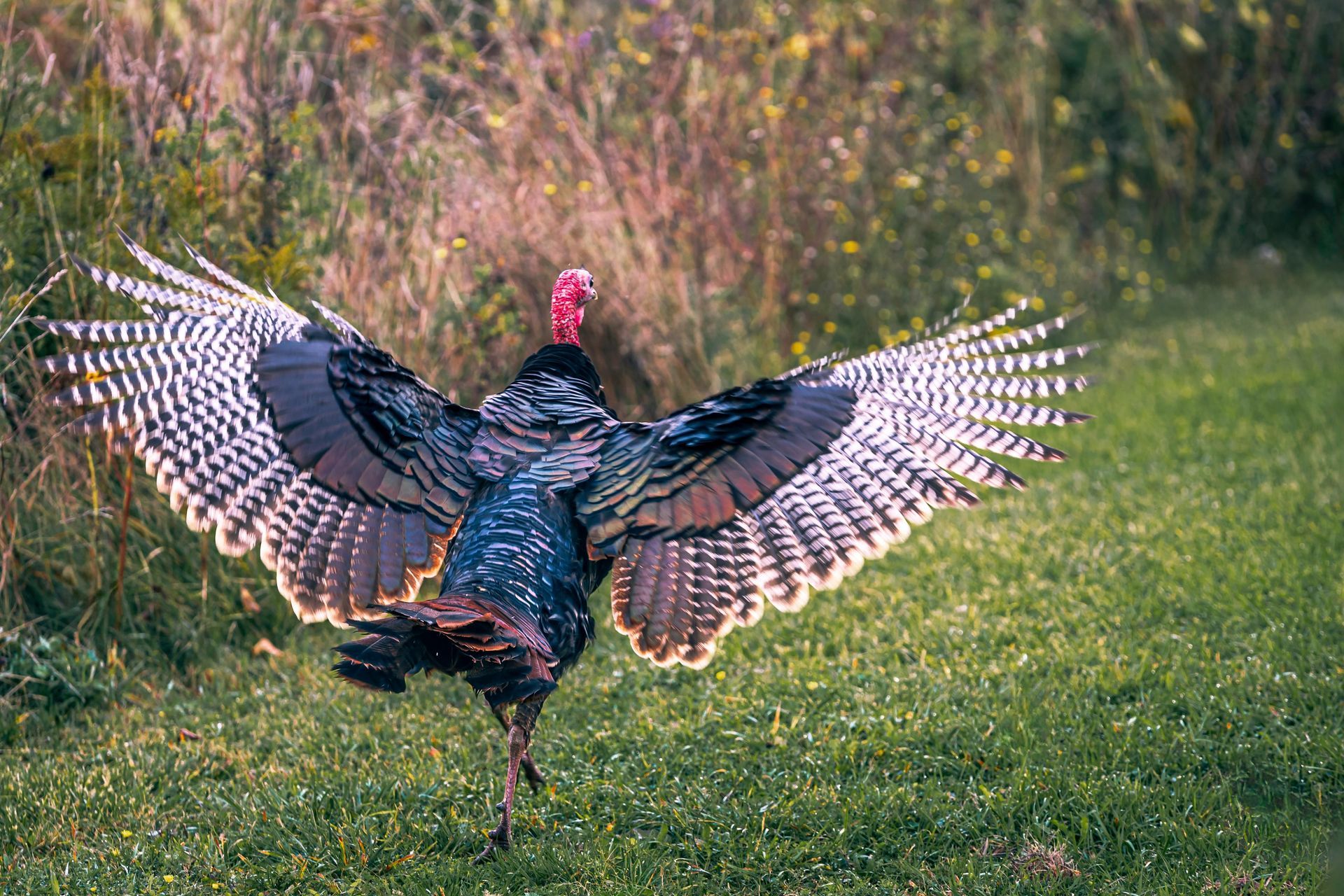
When you hunt wild turkey, success depends on reading bird movement, setting up in the right spot, and using calls that match what the birds are responding to that day. Turkeys move through open areas, feeding zones, and roosting sites based on time of day and pressure. The guide sets you up where birds are likely to travel and uses calling to bring them within shotgun range.
Tone Trout Guiding provides guided wild turkey hunts on BLM and private land, including shotgun use and calling support. The guide handles bird dressing and cleaning after harvest. You need to bring your own camouflage, as matching the surrounding cover is required to stay hidden while calling birds in close.
If you want to hunt wild turkey with guided calling and setup, reach out to schedule a trip.
How Setup and Calling Bring Birds In
Your hunt starts by moving into areas where turkeys have been roosting or feeding recently. The guide watches for tracks, droppings, and feathers, then sets up in cover that gives you a clear shot when birds move in. You stay still while the guide uses calls to mimic hens, jakes, or distress sounds that pull curious or territorial birds closer.
After a successful hunt, you will have learned how turkeys respond to different calls and how setup position affects whether birds commit or hang up out of range. You leave with a dressed and cleaned bird and a clear sense of how patience and positioning determine success.
The hunt does not include shotgun ammunition, hunting licenses, or camouflage clothing. You need to bring your own shells, valid turkey tag, full camo that matches the terrain, and any personal gear you prefer. The guide provides calling and shotgun use instruction but you are responsible for staying still and following shot instructions when birds are in range.
What You Should Know Before Heading Out
Hunters booking a turkey hunt usually ask about timing, calling techniques, and what to expect when birds are close.
Tone Trout Guiding runs wild turkey hunts on BLM and private land throughout the spring season, with calling, positioning, and bird cleaning included.
If you want a guided hunt that focuses on proper setup and patient calling, contact the guide to check availability and current turkey movement.