Hike Eastern Oregon for Chukar in Rugged Terrain
Tone Trout Guiding offers chukar partridge hunts on BLM land in Eastern Oregon, targeting birds in steep, open country with calling and shotgun support.
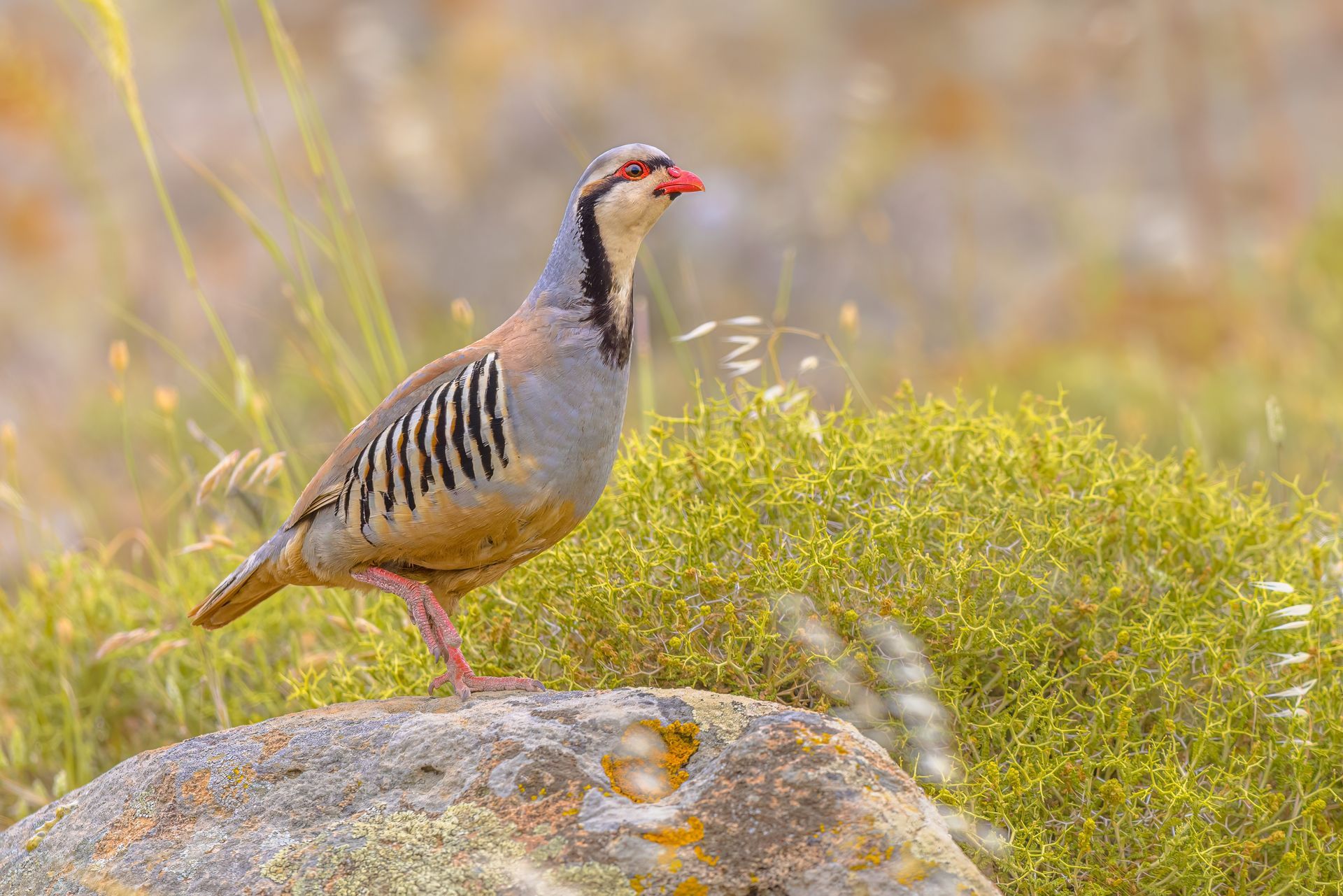
When you hunt chukar partridge, you are walking steep hillsides, rocky outcrops, and open country where birds feed on seeds and insects along ridgelines. Chukar move uphill when pressured and flush downhill when spooked, so positioning and conditioning matter as much as shooting. The guide knows where birds are holding based on season, cover, and water availability.
Tone Trout Guiding provides guided chukar hunts on Eastern Oregon BLM land, including calling support, shotgun use instruction, and bird dressing and cleaning after the hunt. The terrain is rugged and requires physical hiking in open country, so you need to be prepared for uneven footing and elevation changes throughout the day.
If you want to hunt chukar partridge in Eastern Oregon with a guide who knows the terrain, reach out to schedule a trip.
Why Chukar Hunting Demands Physical Preparation
Your hunt begins by hiking into known chukar habitat, moving uphill through rocky slopes and sparse vegetation. The guide uses calls to locate birds and positions you where flushes are most likely. You climb steadily, watching for movement and listening for the distinctive call of chukar moving along ridges or feeding in gullies.
After a few hours in steep terrain, you will have learned how chukar respond to pressure and why positioning on the hillside determines whether you get a clean shot or watch birds flush out of range. You leave with dressed and cleaned birds and a clear understanding of why chukar hunting is considered one of the more physically demanding upland pursuits.
The hunt does not include shotgun ammunition, hunting licenses, or personal gear for steep terrain. You need to bring your own shells, valid chukar tags, sturdy boots with ankle support, plenty of water, and layers that handle wind and sun. The guide provides calling and bird cleaning but you are responsible for carrying your own gear and keeping pace on uneven ground.
What Hunters Need to Know Before Hiking In
Hunters booking a chukar hunt usually ask about physical demands, terrain, and what to expect when birds flush.
Tone Trout Guiding runs chukar partridge hunts on Eastern Oregon BLM land throughout the season, offering calling support, shotgun use, and bird cleaning in steep, open country.
If you are ready for a physically demanding hunt that rewards conditioning and positioning, contact the guide to check availability and current bird activity.